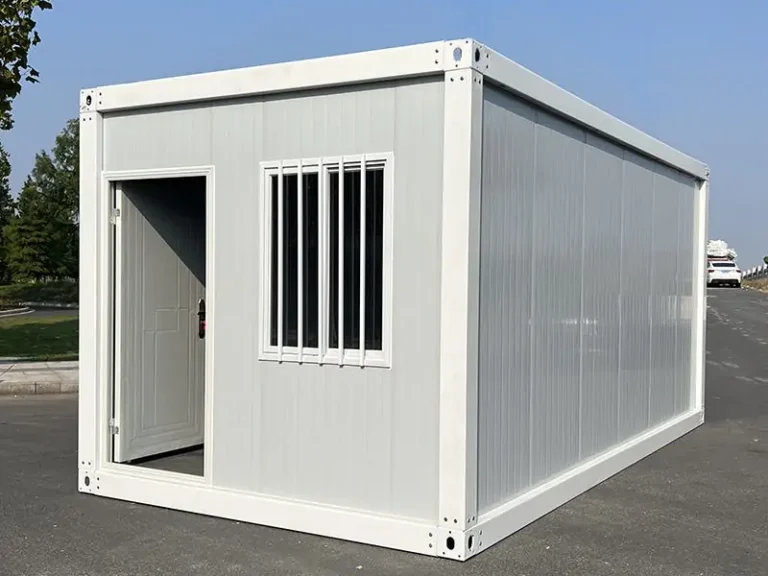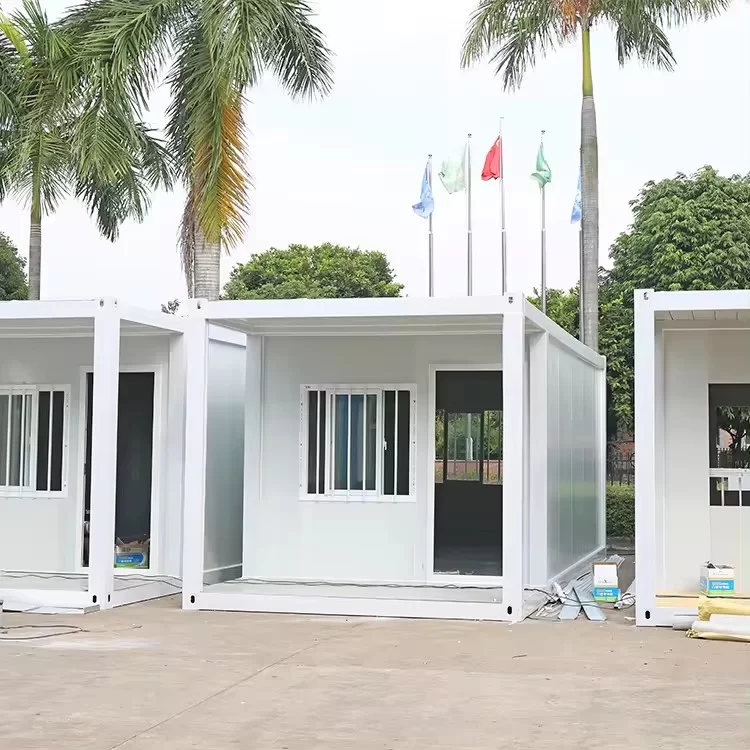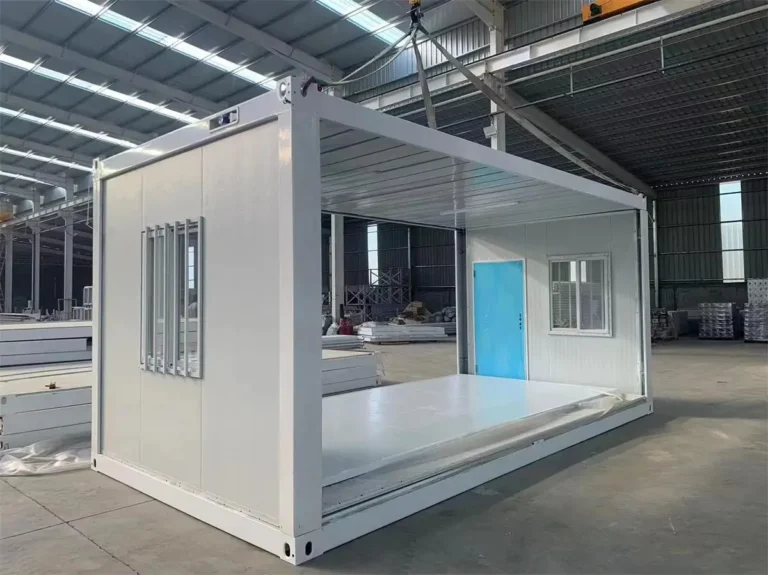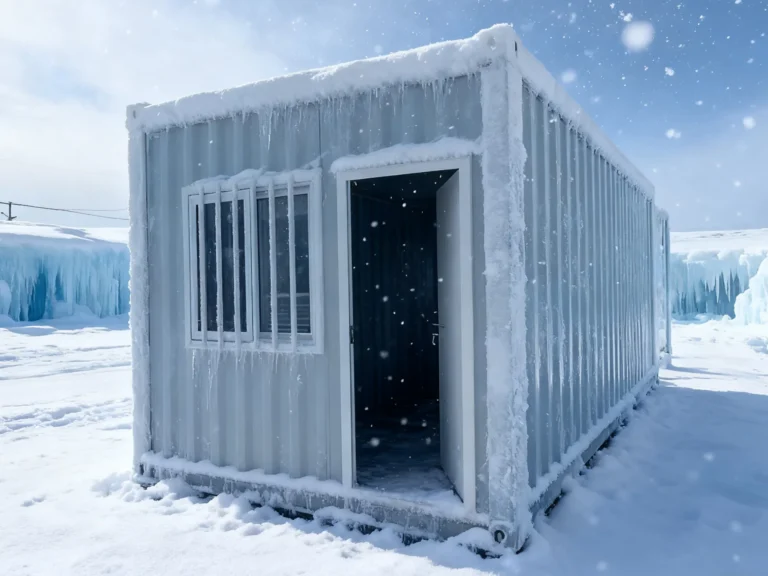
The total cost of container hous is affected by multiple factors, including size, design, materials, labor, foundation, and finishing options. A single standard container unit typically costs between $2,500 and $5,000, but the final price depends on whether you want a basic or luxury living space.
In this article, we will analyze in detail several key factors that affect the price of container houses and share some practical tips on how to reduce overall construction costs while ensuring quality.
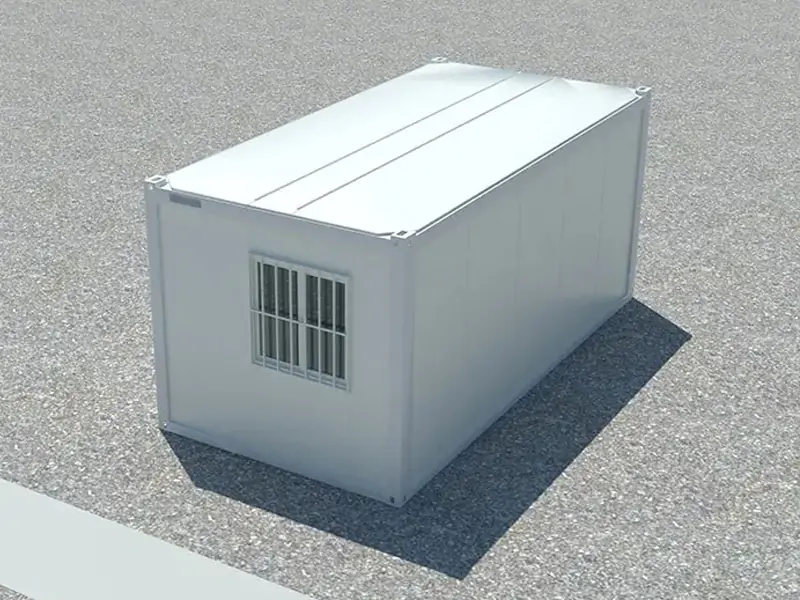
7 Factors Affecting the Cost of a Container Home
(1) Container Size and Quantity
The number and size of container units directly determine the base cost.
20-foot standard containers are generally less expensive and are suitable for compact offices or studios.
40-foot containers offer more space and are suitable for family homes or larger functional areas.
Using multiple containers side by side or stacked vertically to create a multi-room layout increases material and labor costs.
(2) Cost per Square Foot
The average cost per square foot for a standard container home ranges from $35 to $200, depending on the insulation level, finishes, and interior design.
(3) Site Preparation and Land Leveling
Before installation, the construction site must be cleared and leveled. Rocky or uneven terrain may require additional excavation, drainage, or reinforcement, increasing the project cost.
(4) Foundation Construction
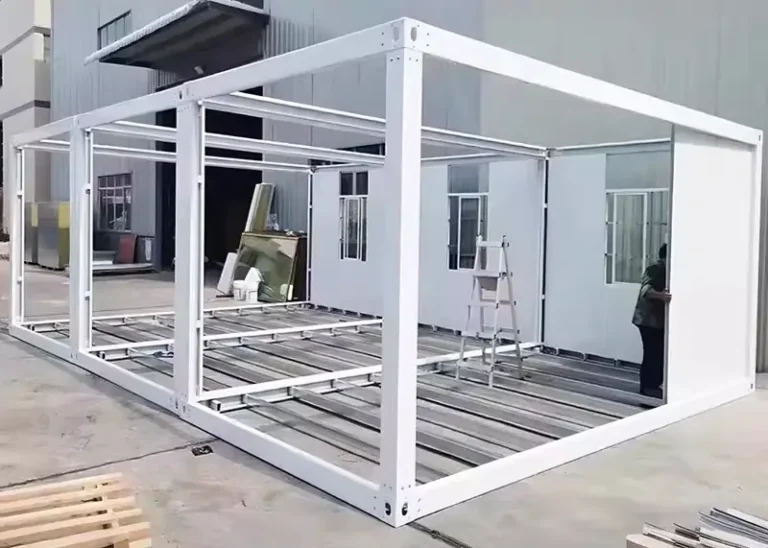
A solid foundation is essential for structural stability and long-term durability. Common options include concrete slabs, pier foundations, or steel foundation frames.
Depending on soil conditions and design, foundation costs typically account for 5-10% of the total budget.
(5) Labor and Installation
Labor costs depend on local market prices and the complexity of assembly. Flat-pack container houses and detachable container houses are generally quick to install, taking only a few hours for a standard unit, with minimal labor requirements.
If you hire professional installers for a multi-unit configuration, expect higher labor costs, but assembly will be faster and safer.
(6) Material and Finish Selection
Interior and exterior materials can significantly impact your budget. For example:
Basic: Standard steel walls, simple PVC flooring, and basic lighting.
Mid-range: Insulated sandwich panels, aluminum windows, and upgraded flooring.
High-end: Custom finishes, decorative cladding, integrated furniture, and air conditioning systems.
(7) Utility Connections
In addition to the above configuration options, consider the cost of connecting to water, electricity, and sewage systems. In remote areas or temporary camps, you may need a solar system, water tanks, or septic tank solutions, which will affect the overall budget.
5 Tips to Reduce Your Container House Construction Cost
- Choose standard sizes: Opt for 20ft or 40ft modules to minimize customization costs.
- Simplify the layout: A straightforward floor plan reduces cutting and welding work.
- Use local materials: Purchasing finishing materials locally saves shipping and import fees.
- DIY finishing: If you have experience, completing interior finishes yourself can cut labor costs.
- Plan for energy efficiency: Proper insulation and solar panels can lower long-term energy expenses.
Conclusion
The container house provides an innovative, fast, economical, and sustainable solution for modern construction. By thoroughly understanding the various cost-influencing factors, you can more rationally plan your budget, optimize designs, and effectively control overall expenditures.
If you are planning to build site offices, employee dormitories, or modular camps in remote areas, our professional team can provide you with customized design and quotation solutions. Feel free to contact us anytime to obtain container housing solutions and detailed quotes tailored to your project.