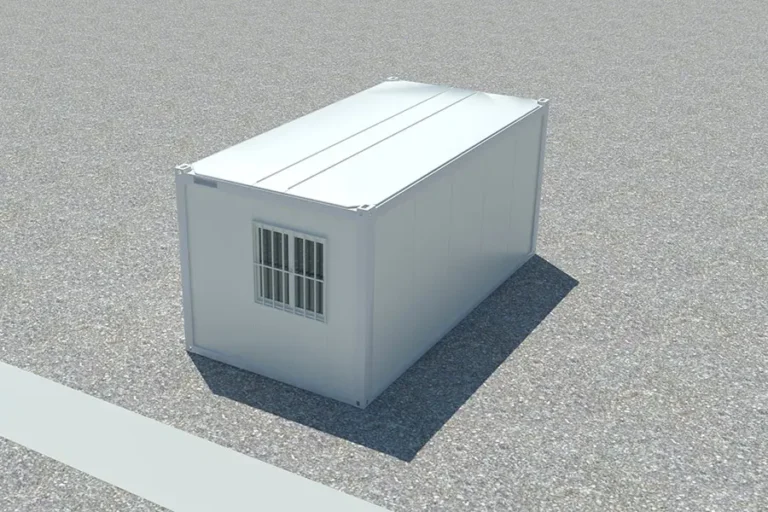
In recent years, container houses have become one of the most popular modular building solutions in the world. Built from durable steel structures and insulated wall panels, these houses are known for their fast installation, flexible design, cost efficiency, and eco-friendly performance. Unlike traditional brick or concrete buildings, container houses can be easily transported, assembled, and customized to suit various functions, such as construction site offices and worker camps to homes, classrooms, showrooms, and tourism cabins.
In this article, we’ll introduce the main types of container houses, including Detachable Container House, Flat Pack Container House, Folding Container House, and Expandable Container House, and explain their features, advantages, applications, price differences, and selection tips. By the end, you’ll have a clear understanding of which model best fits your project needs.
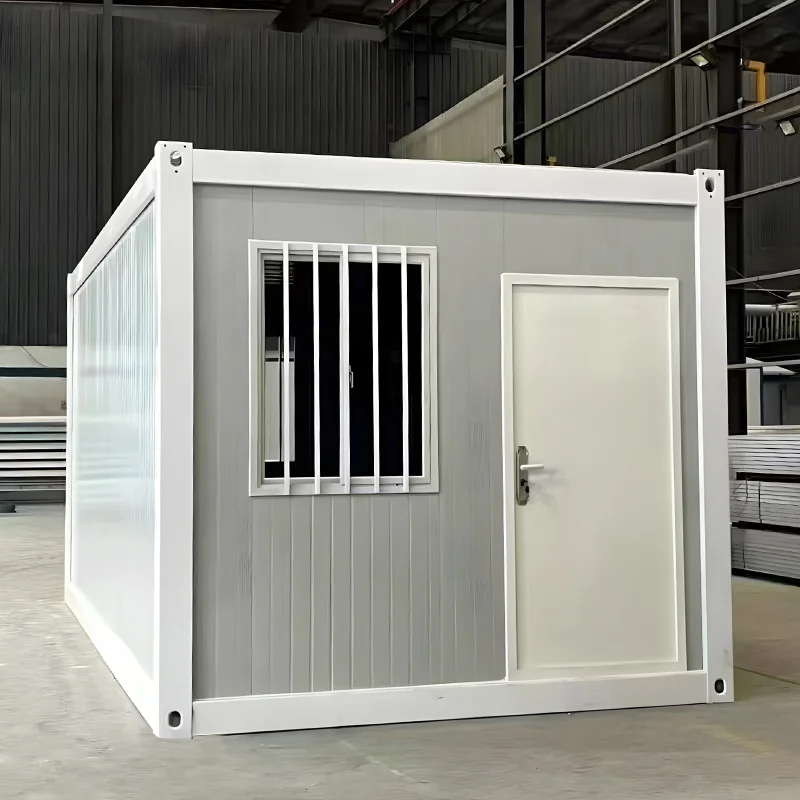
What Is a Container House?
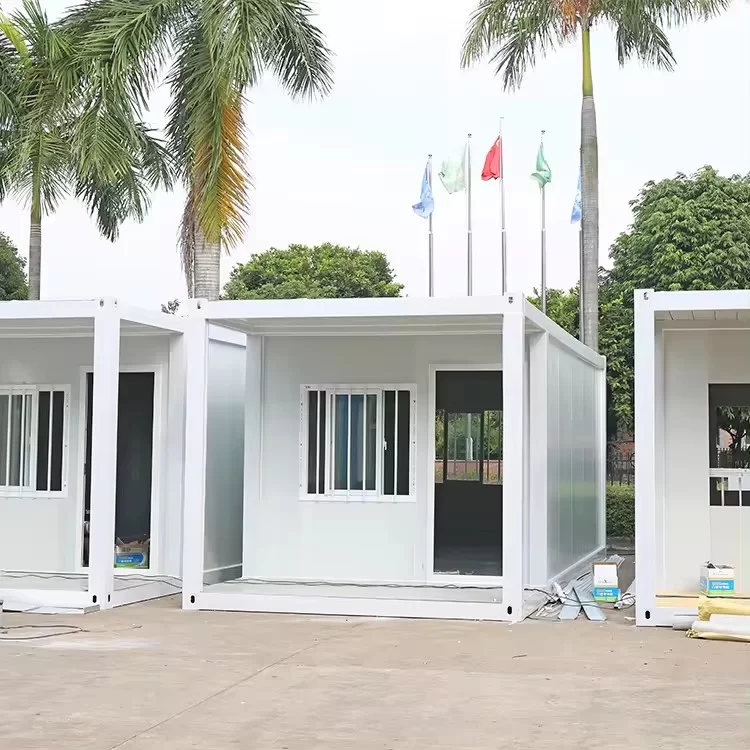
A container house is a modular, prefabricated building made from steel frames and insulated wall panels, designed for quick assembly and flexible use. Compared with traditional concrete structures, container houses offer advantages such as fast installation, easy transportation, cost efficiency, and sustainability. They are widely used for construction site offices, worker camps, schools, dormitories, commercial shops, and emergency shelters.
Main Types of Container Houses
There are four main types of prefabricated modular container houses, including detachable, flat pack, folding, and expandable container houses. Each type offers unique advantages in structure, installation, and mobility — and can be custom-designed according to your specific requirements. The following section introduces their key features and comparisons.
Detachable Container House
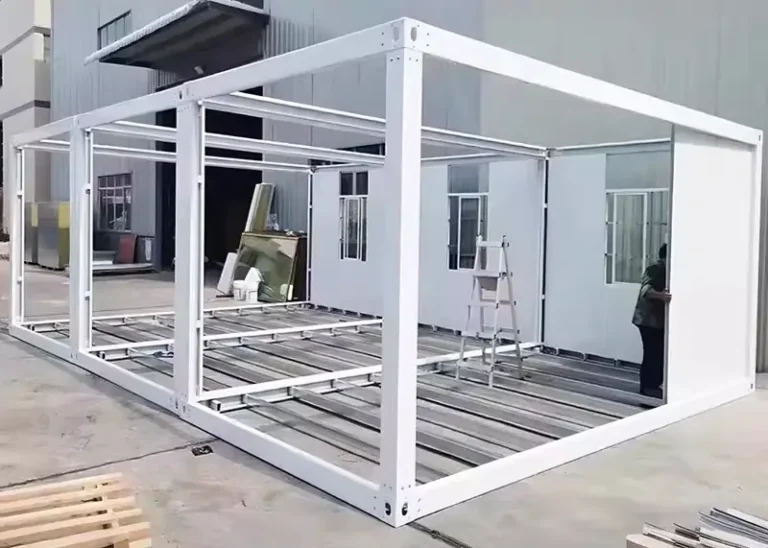
A detachable container house is a modular structure that can be assembled and disassembled multiple times. Each unit consists of separate components—roof, wall panels, corner posts, and base frame, all parts connected by bolts.
- Easy to transport and install on-site
- Strong load-bearing capacity and long service life
- Flexible layout customization for large-scale projects
Applications: Ideal for construction sites, temporary offices, dormitories, and refugee camps.
Price Range: Generally more affordable for large quantity projects; cost depends on material thickness and insulation level.
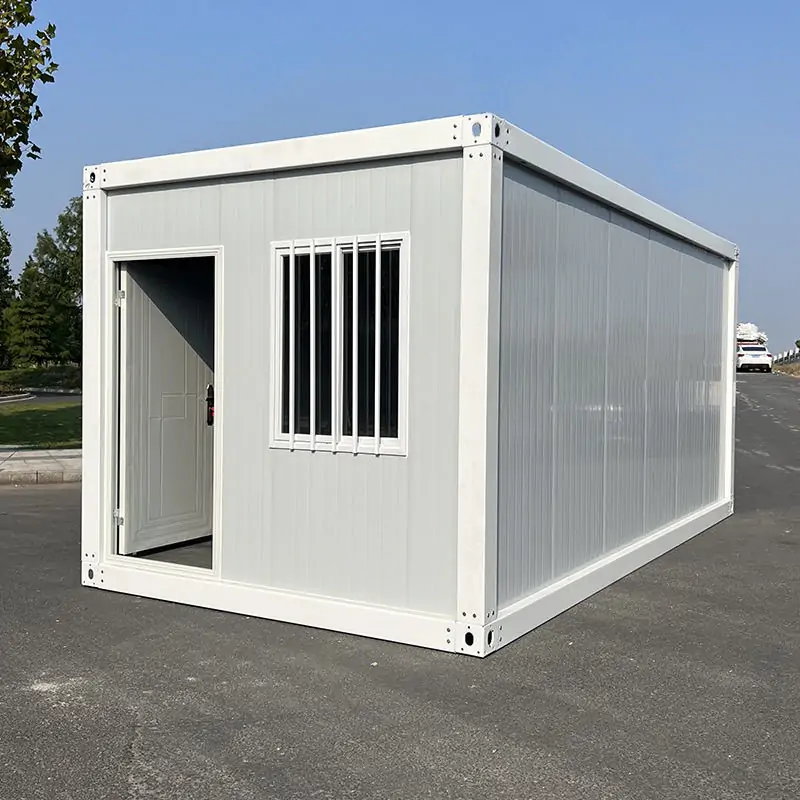
Flat Pack Container House
All components of the flat-pack container house are shipped in flat-pack form, enabling rapid on-site assembly and greatly improving logistics efficiency while reducing transportation costs.
Space-saving for shipping (up to 6–8 units in one container)
Excellent waterproof and fire-resistant performance
Modern appearance and durable structure
Applications: Widely used in office complexes, schools, hospitals, and staff accommodations.
Price Range: Moderate cost, with high efficiency in transportation and installation.
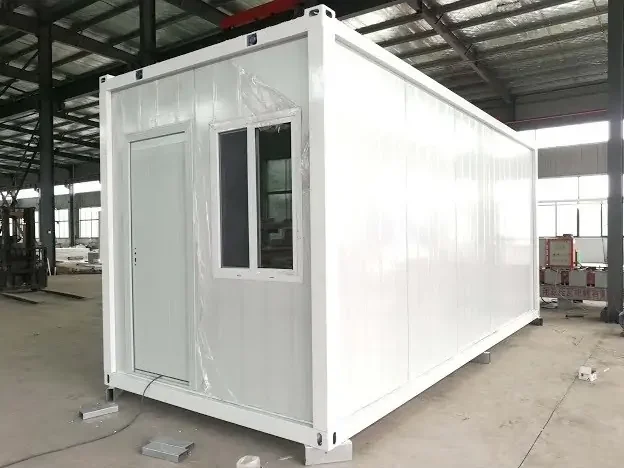
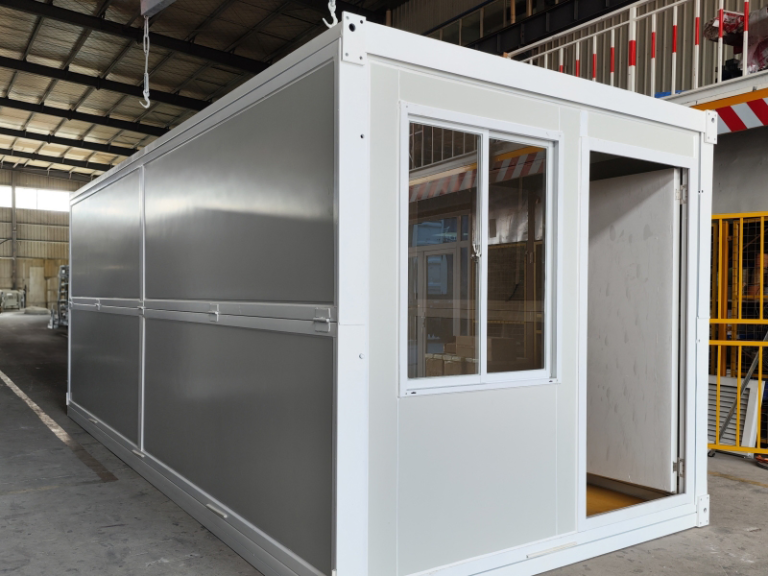
Folding Container House
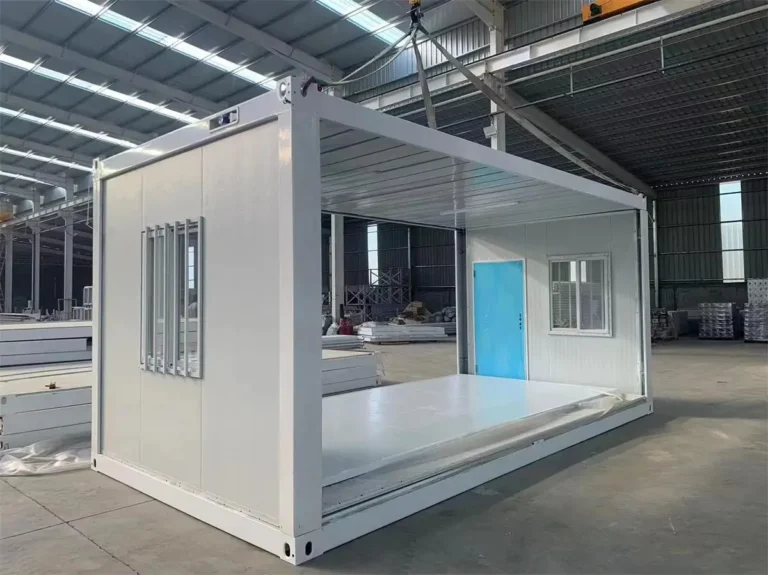
The folding container house features a foldable design that allows the entire unit to collapse into a compact form for easy transport and storage.
- Fastest installation speed, unfold and ready to use within minutes;
- Minimal foundation required;
- Cost-effective for short-term or emergency use;
Applications: Perfect for disaster relief housing, temporary dormitories, and remote area camps.
Price Range: Lowest initial cost among all types; ideal for short-term projects.
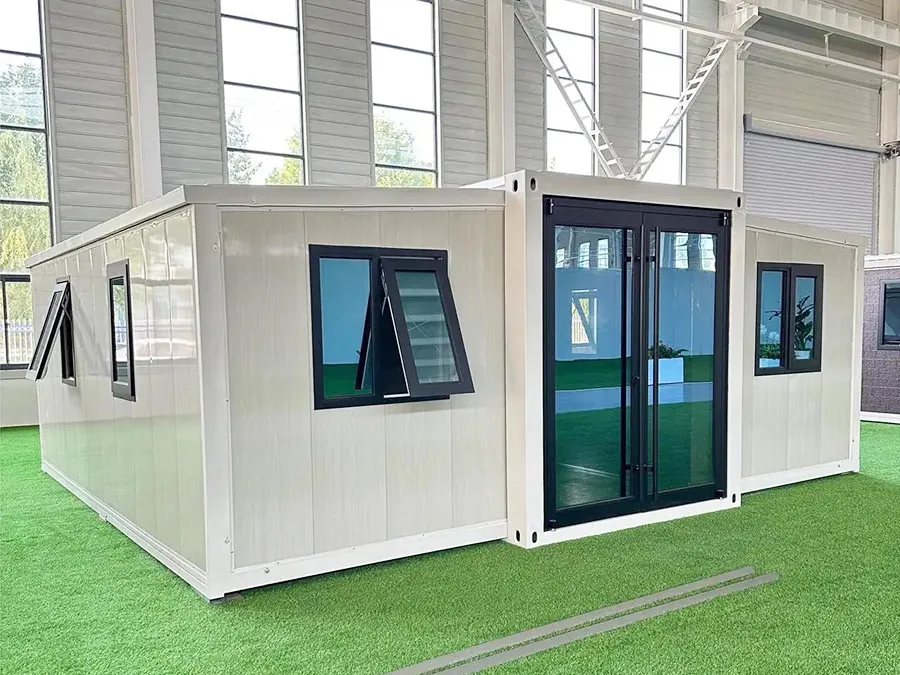
Expandable Container House
An expandable container house can be expanded from one unit into a larger space by unfolding its side panels.
- Spacious layout (usually 2–3 times larger than a standard unit)
- Aesthetic design with optional interior decoration;
- Suitable for both temporary and semi-permanent use;
Applications: Commonly used for family homes, showrooms, tourism cabins, and modular offices.
Price Range: Higher cost due to complex design and larger usable space.
Container House Selection Guide
Here are four popular container house types with their features, applications, and suitable scenarios, choose the one that best fits your project needs:
| Type | Key Features | Typical Applications | Recommended For |
|---|---|---|---|
| Detachable Container House | Strong structure, long lifespan, flexible interior layout | Permanent offices, dormitories, schools, staff housing | Projects requiring durability and long-term use |
| Flat Pack Container House | Modular design, fast installation, easy transport | Construction site camps, disaster relief housing, project offices | Large-scale or time-sensitive projects |
| Folding Container House | Foldable design, compact transport, quick setup | Temporary housing, mobile offices, emergency shelters | Projects with frequent relocation or limited transport space |
| Expandable Container House | Expandable side walls, spacious interior, plug-and-play installation | Family housing, vacation cabins, showrooms, mobile stores | Customers seeking comfort, aesthetics, and ready-to-use solutions |
Need a tailored solution? Our team provides custom design, layout optimization, and full turnkey support. Contact us today to find the perfect container house for your project!
Key Considerations Before Purchasing Caintainer Houses
Before choosing a container house, please evaluate the following factors to ensure you select the best option for your project.
Project Duration
First, determine whether the container house will be used as a temporary structure or a long-term facility.
- For short-term projects (e.g., construction sites or mobile offices), foldable or flat-pack houses are more advantageous due to their ease of relocation.
- For long-term use (e.g., residences or schools), detachable or expandable houses are more suitable for increased stability and comfort.
Climate Conditions
The choice of insulation materials, wall thickness, and ventilation systems should match the local climate conditions.
- In hot climates, use reflective coatings and ensure good ventilation.
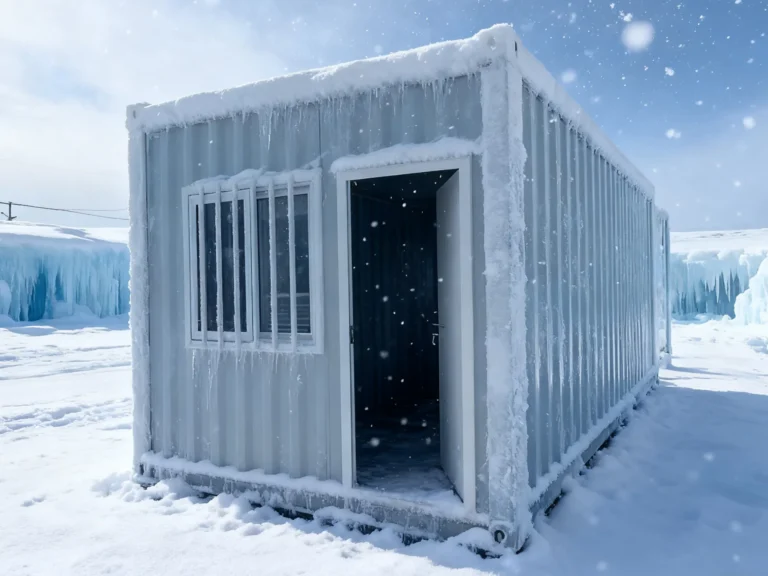
- In cold regions, thicker insulation panels and double-glazed windows are recommended.
- In humid environments, use moisture-resistant materials and elevate the foundation.
Space Requirements
Assess your required interior layout, functional areas, and potential expansion space.
- Expandable houses offer larger living or office spaces.
- Modular flat-pack units can be easily combined or stacked to create multi-room or multi-story buildings.
Local Regulations
Before purchasing, be sure to check local building permits, fire safety, and zoning regulations.
Ensure the container house design complies with the building codes and electrical/plumbing standards in your area.
Our team can assist you in obtaining the necessary certifications and technical documents.
Budget
Establish a clear budget, considering both initial investment and long-term maintenance costs.
Foldable and flat-pack container houses are economical choices for short-term use.
Detachable and expandable container houses offer greater durability and long-term value.
Our experts can help you evaluate these factors and recommend the most suitable container house based on your project goals, location, and budget.
Conclusion
Container houses offer a flexible and efficient building solution for diverse applications worldwide. From detachable and flat pack units for industrial use to folding and expandable models for residential or commercial purposes, each type meets unique project demands.
RuiLong can provide custom-designed container house solutions tailored to your specific requirements. Our engineering team can help you choose the right model, optimize design, and deliver a cost-effective solution that fits your project perfectly.
Contact us today to discuss your container house project and get a free consultation on the best type for your needs!