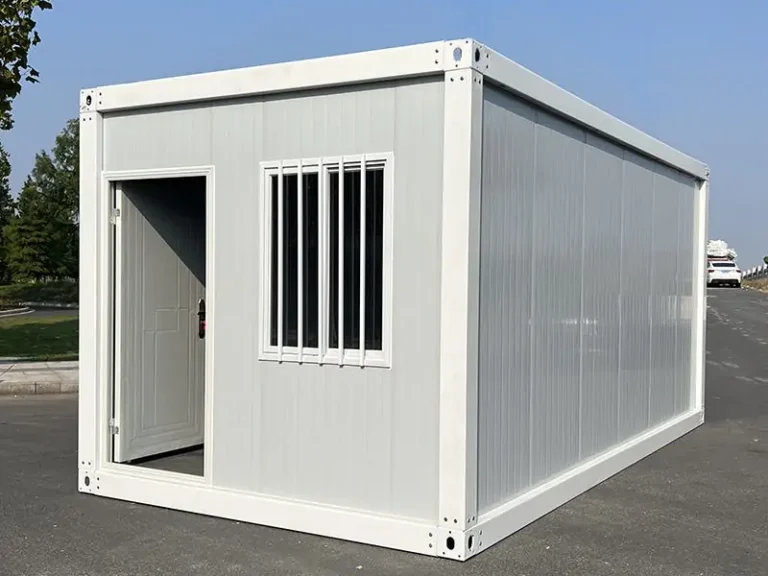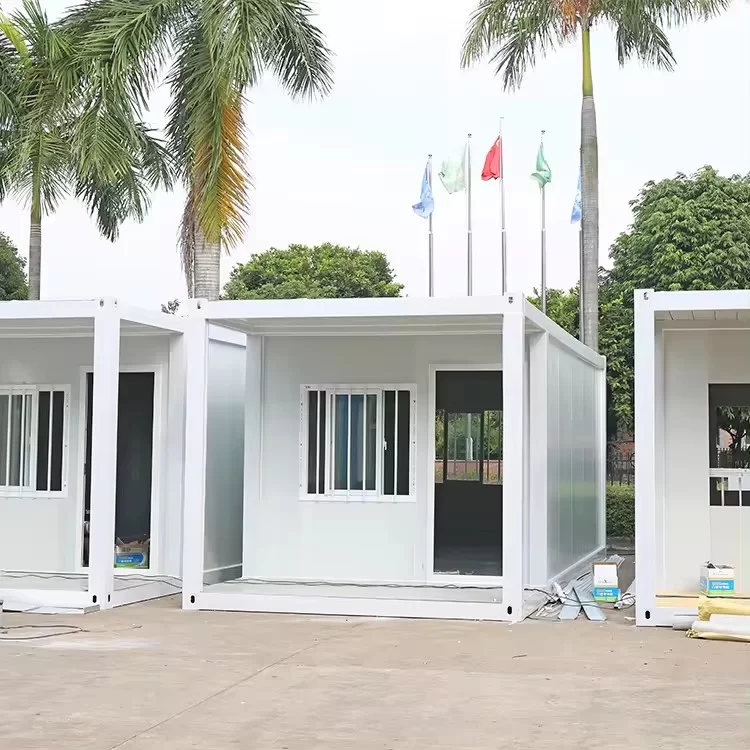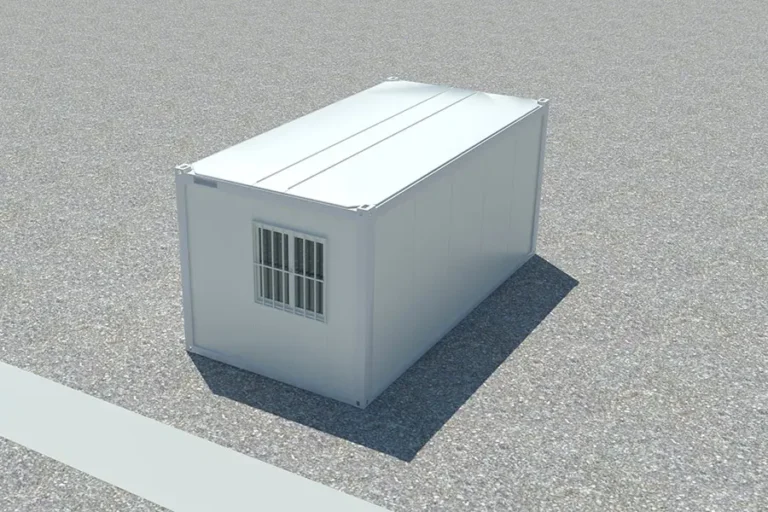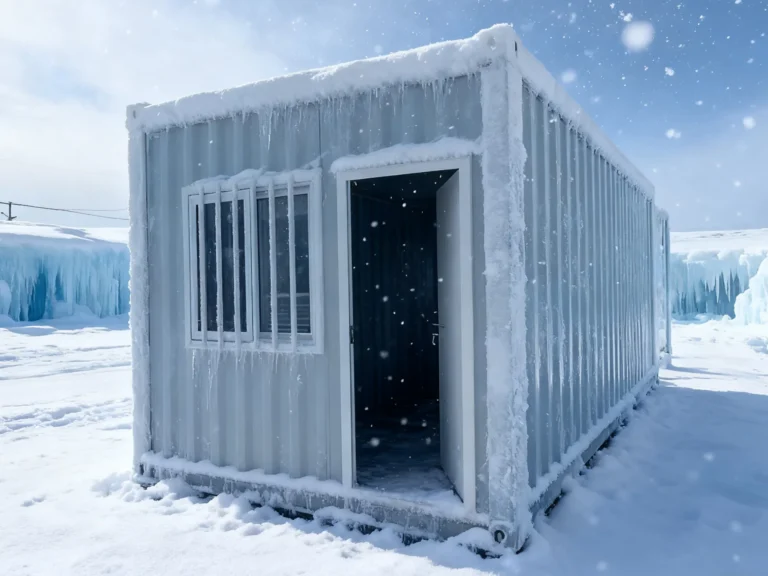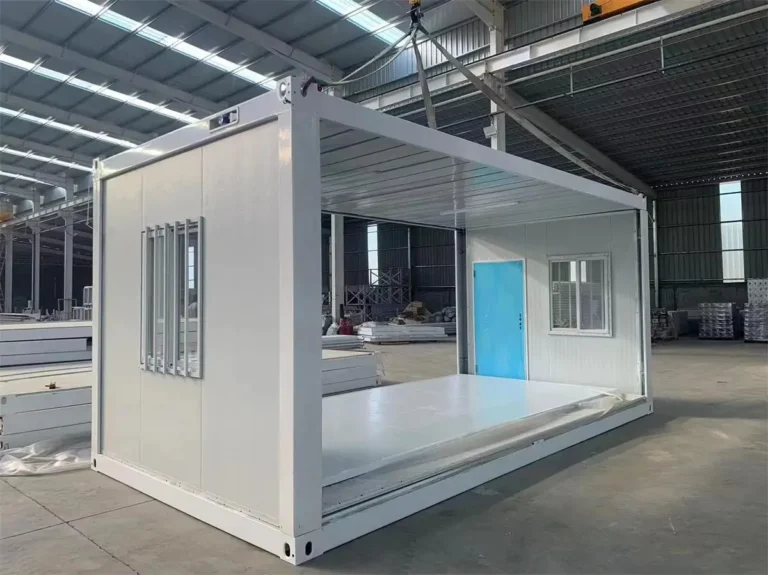
In recent years, container houses have emerged as an ideal choice for residential, office, dormitory, and campsite construction due to their modular design, rapid installation, and high mobility. So, how to build a container house step by step? This article will provide a detailed breakdown of the installation process, construction steps, and common issues to help you efficiently plan your modular building project.
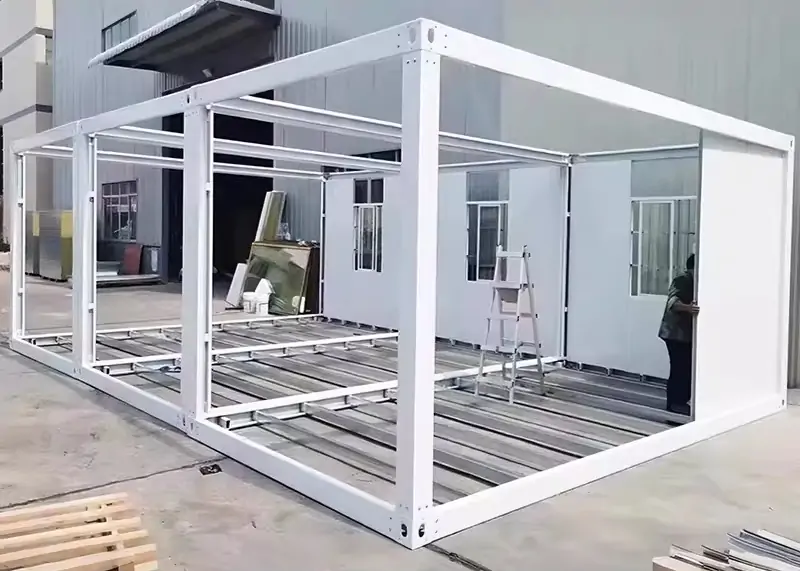
I. How to Build a Container House Step by Step?
Different types of container houses vary slightly in structure and installation methods. Below is an introduction to the installation methods and a summary of steps for four models.
1. Installation of Detachable Container House
Featuring a bolted connection structure, detachable container houses offer convenient transportation and can be repeatedly disassembled and reassembled. They are suitable for projects such as construction site dormitories and temporary offices.
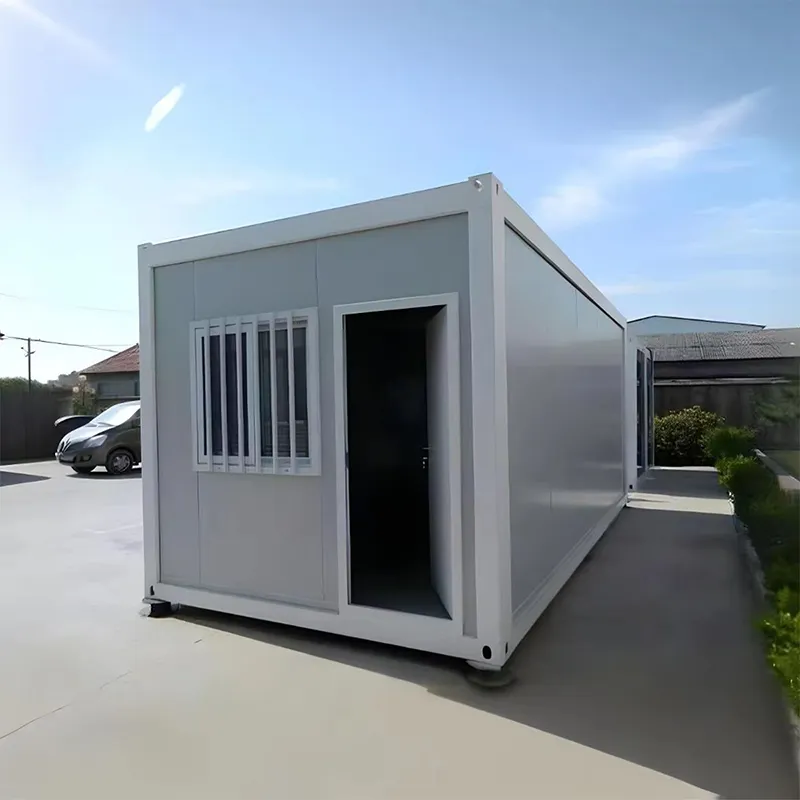
Installation Steps
| Step | Description |
|---|---|
| 1 | Foundation Preparation: Level and reinforce the foundation to ensure stability. |
| 2 | Base Frame Installation: Position and secure the bottom beams to form the base structure. |
| 3 | Corner Posts & Top Frame Assembly: Erect corner columns and connect the roof beams. |
| 4 | Wall Panel Installation: Fix insulated wall panels to the frame with fasteners. |
| 5 | Roof Panel & Ceiling Installation: Install roof panels and seal all joints for waterproofing. |
| 6 | Doors, Windows & Wiring: Mount doors, windows, and connect pre-laid electrical systems. |
| 7 | Finishing & Inspection: Check structure alignment and conduct final quality inspection. |
2. Installation of Flat Pack Container House
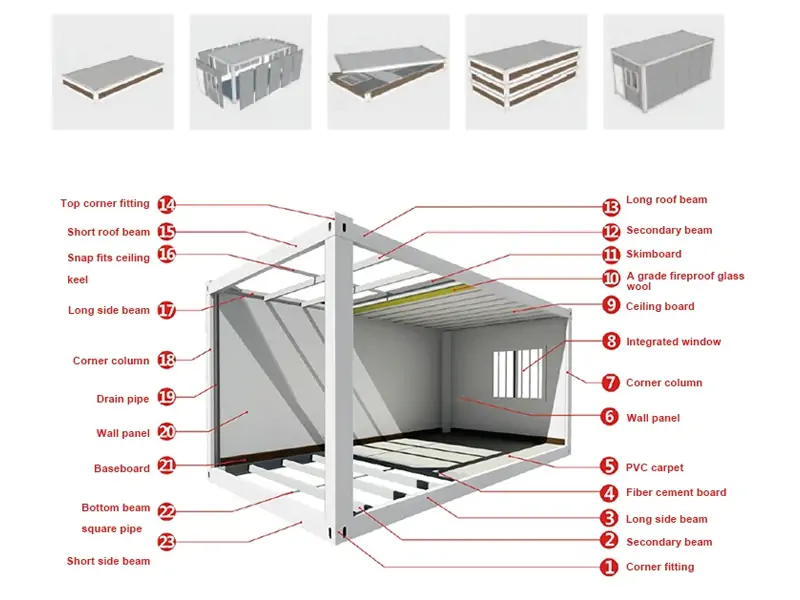
The flat pack container house has a pre-assembled integrated frame design, offering high installation efficiency and compact transport dimensions.
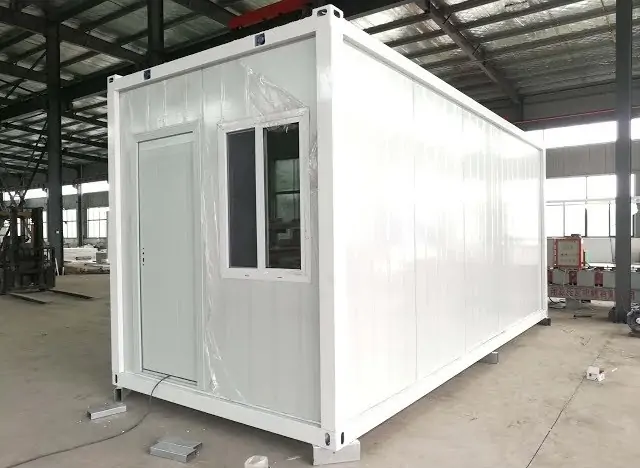
During construction, the main structure can be rapidly assembled by simply hoisting the top module into place and securing the vertical columns.
Installation Steps
| Step | Description |
|---|---|
| 1 | Foundation Check: Prepare a flat surface or concrete base. |
| 2 | Unpack the Kit: Unload the flat-packed components and identify labeled parts. |
| 3 | Base & Corner Post Assembly: Fix the base frame, then install corner posts. |
| 4 | Roof Frame Installation: Connect roof beams and tighten all bolts. |
| 5 | Wall & Door Panel Assembly: Insert and lock wall panels, then attach doors and windows. |
| 6 | Electrical & Sealing Work: Install internal wiring, seal joints, and check insulation. |
| 7 | Final Finishing: Clean the site and ensure the house is ready for use. |
3. Folding Container House Installation
Folding container houses are pre-assembled structural units featuring walls, roofs, and bases connected by hinges that fold flat for transportation. Upon arrival at the site, they can be deployed for immediate use with simple unfolding, securing, and connecting utilities. Key advantages include rapid installation and low transportation costs, making them ideal for emergency shelters, construction camps, and temporary offices.
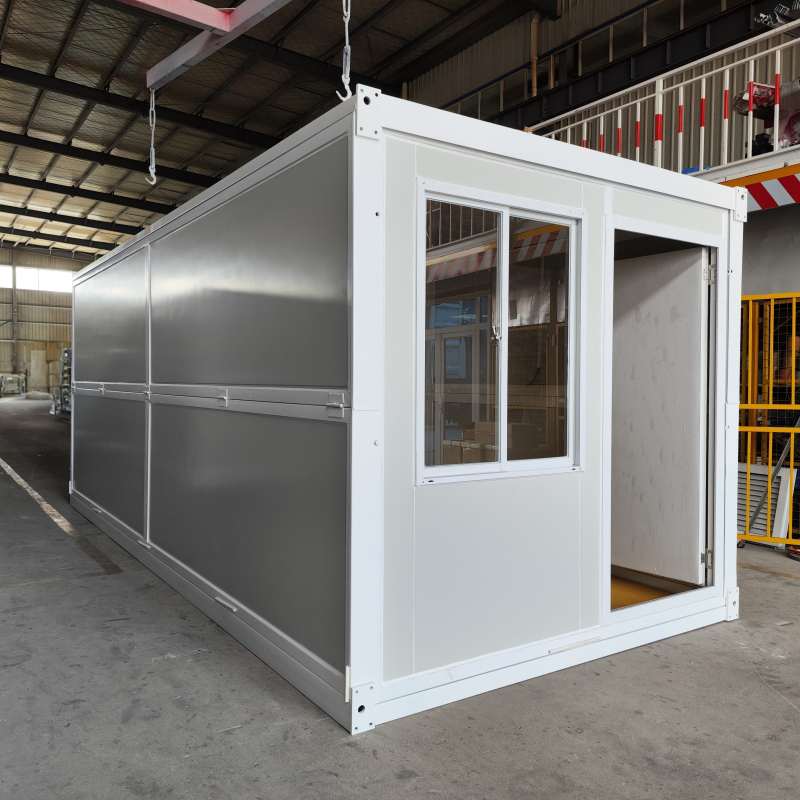
The entire installation process typically requires only 2–3 workers. A single unit can be assembled in approximately 10–15 minutes without additional tools or heavy equipment.
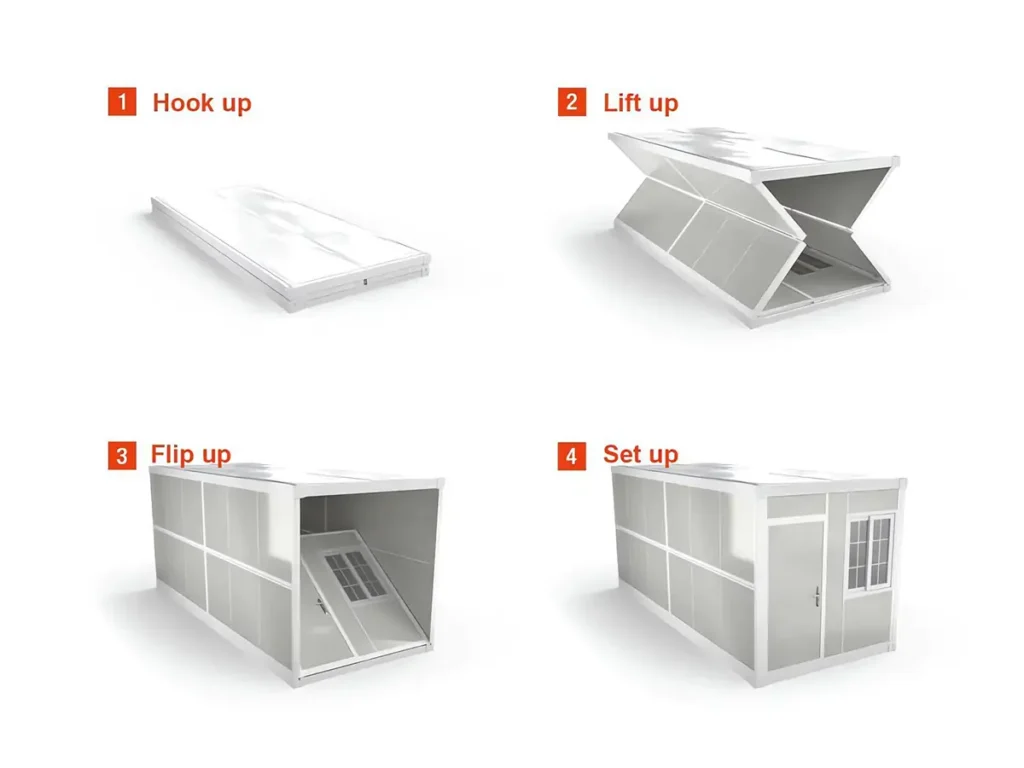
Installation Steps
| Step | Description |
|---|---|
| 1 | Foundation Preparation: Ensure flat, solid ground or a light foundation base. |
| 2 | Place Folded Unit: Position the folded container using a forklift or crane. |
| 3 | Unfold Side Walls: Open the side walls slowly and secure them in place. |
| 4 | Raise the Roof: Lift and lock the roof structure to form the complete enclosure. |
| 5 | Fix Door & Window Frames: Adjust and secure doors and windows. |
| 6 | Connect Utilities: Hook up electrical and plumbing connections if needed. |
| 7 | Final Check: Inspect sealing, structure tightness, and interior layout before handover. |
4. Expandable Container House construction guide
The Expandable Container House is a prefabricated fold-out structure designed for fast installation and easy transportation. It comes as a compact unit with pre-installed electrical and plumbing systems.
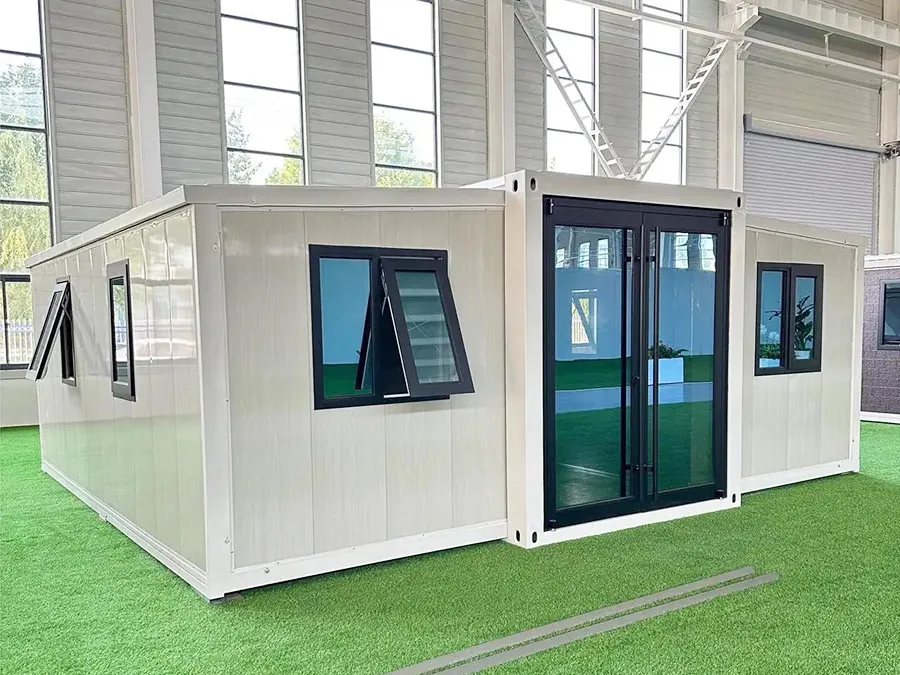
Once positioned on-site, only a few workers are needed to complete the setup in a short time. The expansion process begins by lifting the roof slightly, then pulling out the two side modules horizontally. After both sides are fully extended, the roof is lowered and locked into position, forming a spacious interior with three connected sections. Finally, workers secure wall joints, install door and window frames, and connect utilities, completing a comfortable and functional living space within a few hours.
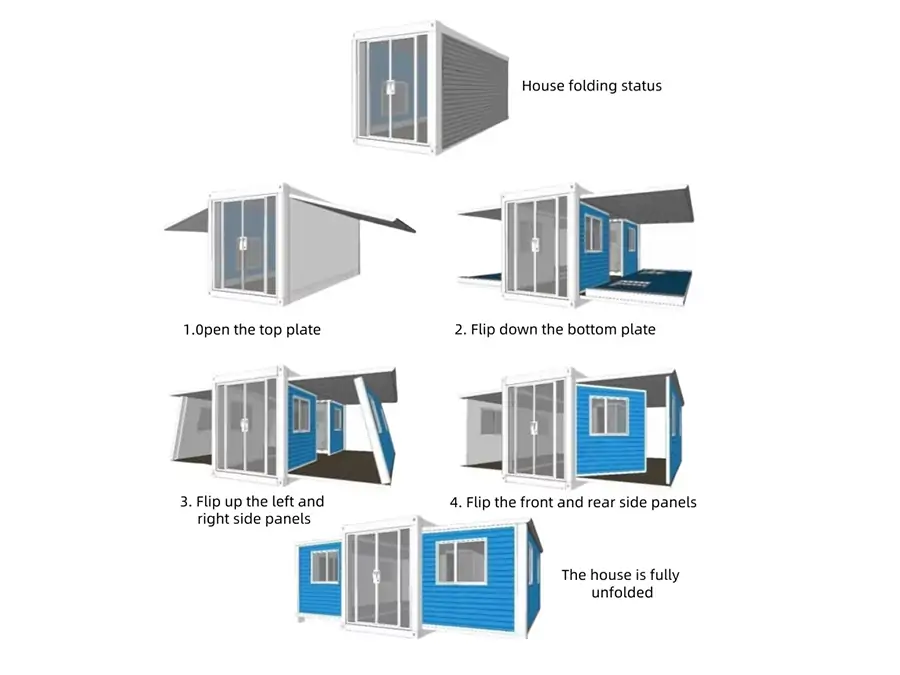
| Step | Description |
|---|---|
| 1 | Foundation Setup: Prepare level ground or light concrete pads. |
| 2 | Position the Main Unit: Place the folded house using a crane. |
| 3 | Expand Side Modules: Pull out both side sections horizontally. |
| 4 | Lift and Lock the Roof: Raise the roof panels and secure the hinges. |
| 5 | Connect Walls & Joints: Fix the connecting panels and waterproof the joints. |
| 6 | Install Electrical & Plumbing: Plug in pre-installed systems and check connections. |
| 7 | Inspection & Ready to Use: Conduct safety checks; the house is ready in hours. |
II. Frequently Asked Questions About Building Container Homes
Conclusion
Building a container house is not complicated, though different types of container houses vary in installation methods and required timeframes. Typically, container house suppliers provide relevant installation manuals along with comprehensive after-sales service. Therefore, you need not worry about how to install a container house.
RuiLong is a Chinese container house manufacturer and factory with extensive experience in product R&D, production, and project installation. We manage every step from design and production to installation, ensuring project quality through systematic processes while significantly reducing project timelines. If you’re planning dormitory, office, or camp construction projects, contact our engineering team. We’ll provide customized modular building solutions to deliver your project quickly, safely, and cost-effectively. Inquire now for tailored designs and quotes!